Essential Packing List for Philippine Jungle Treks
The Unique Climate and Terrain of South Cebu’s Jungles
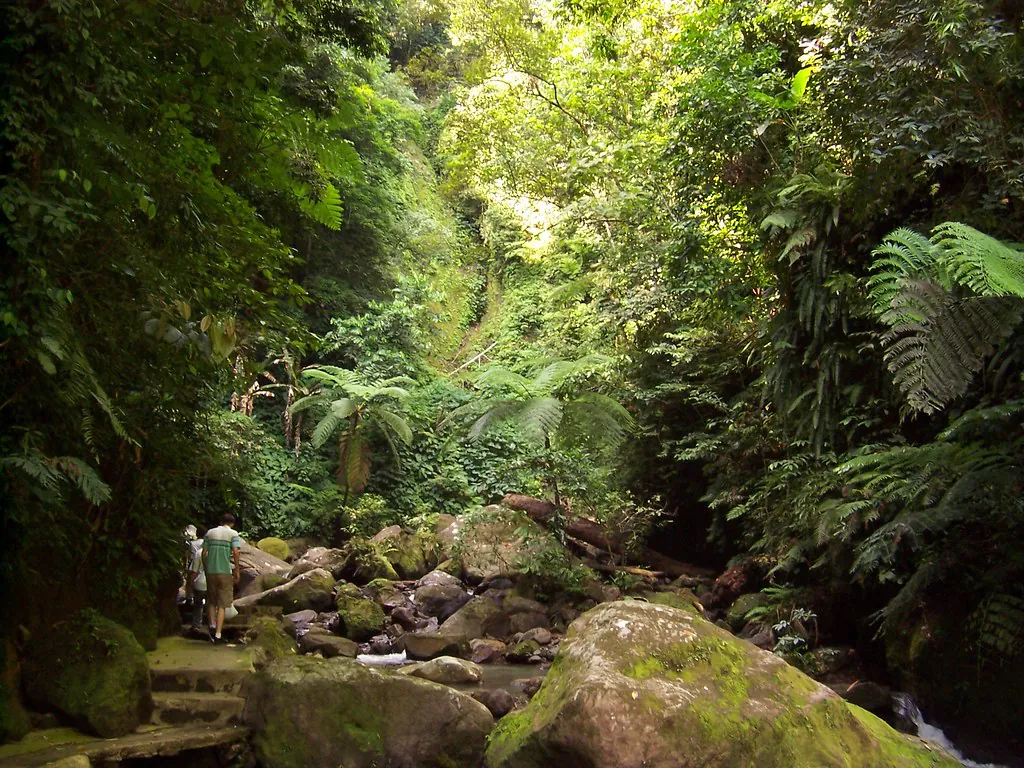
The air in South Cebu hits your lungs with a heavy, wet weight the moment you step off the pavement and onto the dirt trail. This is a tropical rainforest climate running at full tilt—an environment where sweat refuses to evaporate and the dense canopy traps moisture close to the earth. The sensory reality of Ginatilan involves the constant hum of cicadas, the smell of decaying organic matter on the forest floor, and a pervasive dampness that penetrates every piece of fabric you carry.
According to historical climate data from the Philippine Atmospheric, Geophysical and Astronomical Services Administration (PAGASA), baseline humidity in this region hovers relentlessly between 75% and 90%. Daytime temperatures routinely push past 90°F. If you plan to explore the deep ravines and river crossings, your standard vacation wardrobe will fail you entirely. You need gear engineered for total, unavoidable saturation.
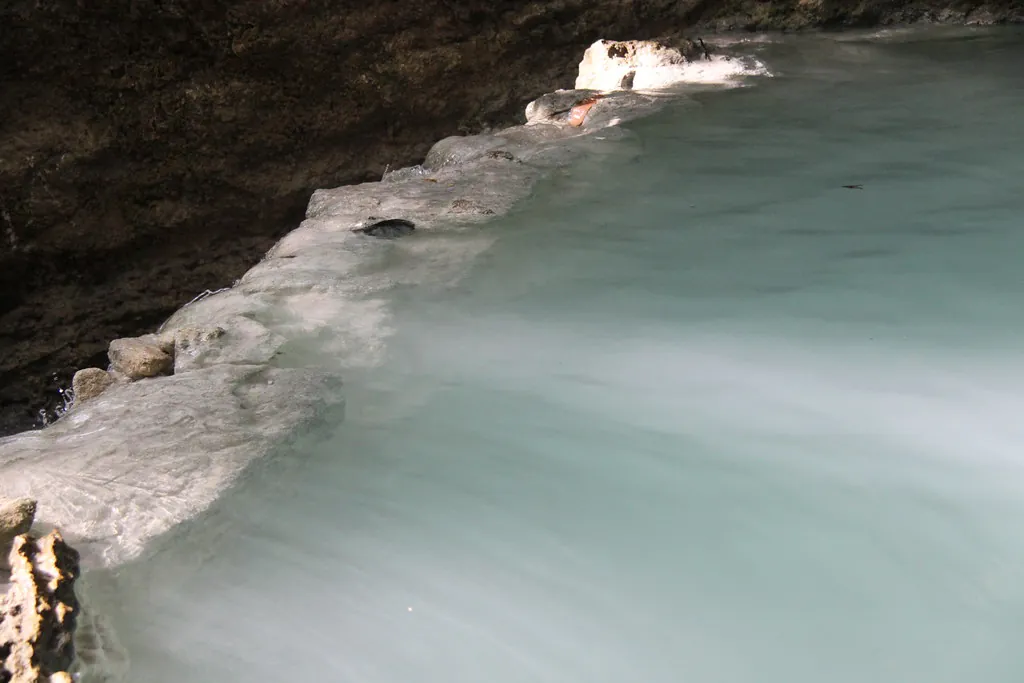
Preparation dictates whether you spend the afternoon fighting your equipment or actually enjoying the cold, electric blue waters waiting at the end of the trek. The jungle does not forgive poor planning. Carrying heavy, inappropriate materials leads to rapid exhaustion, while lacking proper waterproof protection guarantees ruined electronics. For a comprehensive overview of the site’s geography and what to expect upon arrival, consult our main guide to Inambakan Falls before building your packing strategy.
Tactical Layering: Footwear and Apparel for the Tropics
Footwear Fundamentals
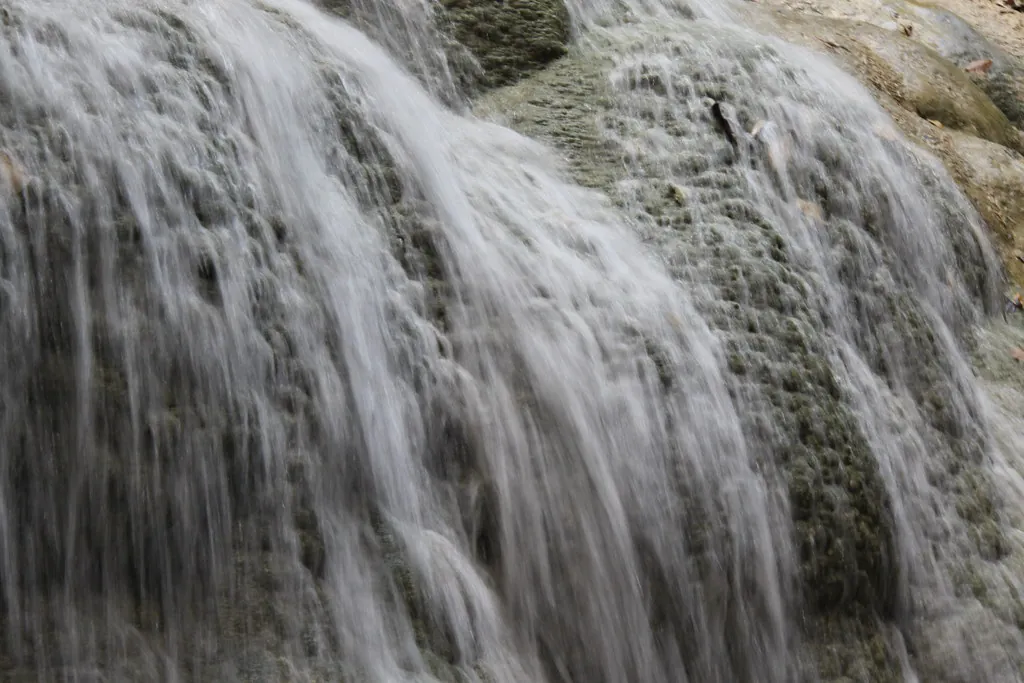
Standard hiking boots turn into lead weights when flooded with river water. The heavy leather absorbs moisture rapidly, and thick lugs hold onto dense jungle mud. You need aquatic shoes with an aggressive rubber tread. The path leading into the gorge consists of mud, exposed roots, and moss-choked limestone. Wet limestone acts exactly like black ice. The slippery limestone steps are a hazard you need to be prepared for.
Neoprene booties with thick rubber grooving offer an excellent balance of ankle flexibility and rock-gripping traction. Drainage is critical. Your shoes must expel water instantly after crossing a deep pool. Avoid open-toed sandals or flip-flops; they provide zero lateral support and leave your toes exposed to sharp rocks and submerged tree branches.
Trekking Apparel
High-humidity trekking demands synthetic, quick-drying fabrics. Cotton absorbs moisture and holds it against your skin, causing severe chafing within the first mile of your hike. You must layer your clothing intelligently. Wear your swimwear as a base layer so you can transition seamlessly into the plunge pools without needing a private changing area.
If you plan to ascend the multi-level cascades found deeper in the forest, a lightweight, long-sleeved rash guard provides crucial defense against both UV rays and abrasive rock faces, making teh ascent much more comfortable. Nylon and spandex blends wick moisture away from the body while resisting tears from thorny underbrush.
Waterproofing Essentials and Technology Protection
Waterproofing your gear is a structural necessity. A standard canvas backpack will soak through in minutes just from the ambient spray radiating off the main 100-foot waterfall drop. You need a dedicated PVC dry bag. A roll-top closure system creates a watertight seal, trapping a pocket of air inside that ensures the bag floats if dropped in a river. Sizing your dry bag correctly prevents you from carrying unnecessary bulk through narrow rock fissures.
| Dry Bag Size | Ideal User Profile | Capacity and Cargo Capabilities |
|---|---|---|
| 5 Liters | The Minimalist | Fits a smartphone, small wallet, keys, and a compact microfiber towel. Ideal for quick dips without prolonged trekking. |
| 10 Liters | The Solo Explorer | Holds a change of clothes, sunscreen, snacks, phone, and a compact camera. The most efficient size for a day trip. |
| 20 Liters | Couples and Creators | Accommodates gear for two people, including larger DSLR cameras (in padded inserts), drones, and multiple towels. |
Electronics require secondary, redundant protection. A dry bag can still fail if the top is rolled incorrectly or pierced by a sharp branch. Invest in IPX8-certified waterproof phone pouches. Test the pouch at your hotel by submerging it with a piece of tissue paper inside before trusting it with a thousand-dollar device. If you bring an action camera to document your dive, attach a brightly colored floating handle or bobber. Plunge pools in this region run surprisingly deep, and a dropped camera without a float will sink rapidly into the dark, churning water.
If you are combining this trek with a broader coastal itinerary—perhaps booking a Moalboal Sardines and Kawasan Canyoneering tour—that same dry bag will pull double duty on the outrigger boats, shielding your valuables from saltwater spray.
Health, Sun Care, and Defending Against the Jungle
The dense forest canopy provides intermittent shade, but the tropical sun reflects violently off the white limestone walls and the surface of the clear water. Sun care requires a specific, environmentally conscious approach. You must use eco-friendly, reef-safe sunscreen. Traditional formulations containing Oxybenzone and Octinoxate are devastating to aquatic ecosystems. The National Oceanic and Atmospheric Administration (NOAA) has repeatedly demonstrated that these specific chemicals cause coral bleaching and disrupt the reproductive cycles of aquatic life in local watersheds.
Protecting the pristine blue water of Ginatilan is a collective responsibility. Chemical pollution from thousands of tourists degrades the water quality rapidly. This is a core tenet outlined in our conservation and environment guidelines. Apply your mineral-based, zinc-oxide sunscreen at least thirty minutes before swimming to allow it to bind to your skin, preventing it from washing off immediately upon submersion.
Insect management requires equal attention. Mosquitoes thrive in the stagnant, heavily shaded pockets of the forest, particularly during the wet season. Apply a highly effective repellent to your exposed skin before entering the tree line. The Centers for Disease Control and Prevention (CDC) recommends formulations containing 20% to 30% DEET or Picaridin for optimal protection in tropical environments.
Never apply synthetic insect repellent immediately before jumping into a natural spring. Wash it off or wait until after you finish swimming to reapply, keeping the delicate aquatic ecosystem free of harsh toxins.
Trail Fuel and Emergency Preparedness
Hydration and Nutrition
While the initial trek is a descent down concrete stairs, cardiovascular exertion spikes rapidly when you climb the steep, irregular trails to the upper waterfall levels. The concept of “insensible water loss” becomes very real in 90% humidity; you sweat profusely even when standing still. Carry an absolute minimum of 1.5 liters of water per person. Electrolyte powders are an excellent, lightweight addition to your reusable bottle, instantly replacing the massive amount of sodium and potassium lost through sweat.
For trail fuel, skip anything that melts. Chocolate will turn into liquid inside your pack. Instead, pack dried Philippine mangoes, bananas, or heavily salted nuts. A fantastic local alternative is to pick up a traditional Torta de Argao from a roadside bakery before you arrive. Our dedicated guide to traditional foods in South Cebu covers exactly where to find these high-energy, dense baked goods that survive the heat perfectly.
First Aid Basics
The isolation of the southern municipalities means you must be your own first responder for minor medical issues. Slips on mossy rocks happen frequently, resulting in immediate scrapes and contusions. Pack a minimalist trauma kit housed in a watertight ziplock bag. You need waterproof bandages, antiseptic wipes to clean wounds exposed to river water, and medical tape.
Hydrocolloid blister pads are the most important item in this kit. The friction generated by wet aquatic shoes rubbing against waterlogged skin will cause severe blisters if left untreated. Catching a hotspot early and applying a blister pad prevents a minor annoyance from turning into an agonizing injury that ruins the rest of your hiking itinerary.
Logistics, Cash, and the Leave No Trace Philosophy
Logistical packing requires foresight regarding the local economy. Rural municipalities operate entirely on physical cash. Break your large 1000-peso bills before leaving major hubs like Cebu City or Moalboal. You need smaller denominations—specifically 50 and 100 peso notes—to pay for municipal environmental fees, local guide gratuities, and the habal-habal ride from the town center up into the mountains. Drivers rarely carry enough change for large bills early in the morning. If you are unsure about current transit costs or routing, review our comprehensive transport guide to gauge accurate local pricing and bus schedules.
Post-trek comfort relies entirely on a clean change of clothes and the right towel. A heavy, damp cotton beach towel will never dry in this climate and simply adds dead weight to your bag. Pack a highly absorbent microfiber travel towel. It packs down to the size of an apple, absorbs three times its weight in water, and wrings out almost completely dry. Leave your fresh clothes in your transport vehicle or sealed deep inside your dry bag until the adventure concludes.
Practice strict Leave No Trace principles throughout your journey. Strip away excess packaging from your snacks before leaving your hotel room. Do not bring single-use plastic water bottles or grocery bags into the watershed. Keep your pack light, purposeful, and resilient against the elements.
If your day concludes with an Oslob whale shark swimming and Kawasan Canyoneering tour, this exact gear configuration will serve you perfectly across both demanding locations. A well-packed dry bag eliminates anxiety, allowing you to focus entirely on the massive limestone walls and the roaring water in front of you. To continue mapping out your route through the southern provinces, consult our nearby attractions guide or dive into our master planning resource for seasonal weather considerations.