Navigating Public Transport in Rural Cebu
Overview: The Adventure of Rural Cebu Transit
Public transit in the Philippines demands patience and rewards adaptability. Instead of isolating yourself in a private van, taking the provincial bus forces an immediate connection with the landscape and the people. You watch the coastal topography shift from urban sprawl to limestone cliffs while sharing tight spaces with daily commuters, market vendors, and students. Mastering the rural transit system is an experience many international travelers miss out on.
Understanding the local commuting culture reduces travel anxiety and opens up the southern municipalities. Tracking the South Cebu Waterfall Loop requires hopping between different transport modes—from massive commercial buses down to single-cylinder motorcycles. You trade the predictable comfort of a pre-booked car for a deep, authentic immersion into the island’s daily rhythm. The network operates with its own unwritten logic, dictated by weather patterns, passenger volume, and the rugged terrain of the interior mountains.
Gateway to the South: Cebu South Bus Terminal
Operating out of N. Bacalso Avenue, the Cebu South Bus Terminal (CSBT) functions as the primary artery for all southbound land travel. The facility runs 24/7, though the atmosphere changes drastically depending on the hour. Peak departures begin well before dawn—often between 1:00 AM and 3:00 AM—as locals and tourists alike attempt to beat the notorious provincial highway traffic. Navigating the terminal requires focus. The air smells of diesel and strong coffee, with dispatchers shouting destinations over a crackling PA system.
Reaching the terminal from the Mactan-Cebu International Airport takes roughly 45 to 60 minutes depending on the bridges’ congestion. Taxis and ride-hailing apps like Grab provide the most direct transit, dropping you right at the terminal gates. Budget-conscious riders can catch the bright blue MyBus from the airport to SM City Cebu, then transfer to a local jeepney flashing a “South Bus Terminal” signboard. We highly recommend reviewing our comprehensive logistics guide if you are hauling heavy diving gear or oversized backpacks.
During local holidays like Sinulog or Holy Week, the SunStar Cebu frequently reports massive crowds spilling out onto the surrounding streets. Arriving at least an hour before your intended departure ensures you secure a comfortable seat, especially if you require air-conditioning for the long haul.
| Transport Mode | Route | Est. Fare (PHP) |
|---|---|---|
| White Taxi / Grab | Airport to CSBT | ₱350 – ₱500 |
| MyBus + Jeepney | Airport to SM to CSBT | ₱50 + ₱15 |
| City Jeepney | Cebu Center to CSBT | ₱13 – ₱20 |
| Ceres Bus (Aircon) | CSBT to Ginatilan | ₱200 – ₱250 |
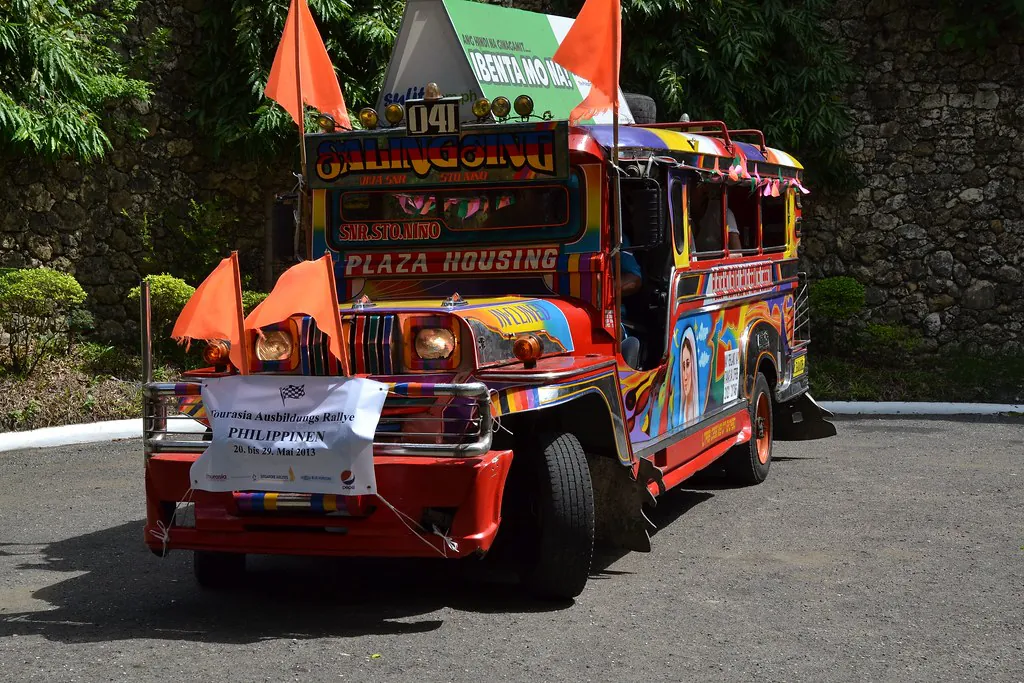
“The Bato via Barili route traces the Tañon Strait. Grab a window seat on the right side of the bus to watch the sun illuminate the coast as you drive past Moalboal.”
The Journey: Bato via Barili Route
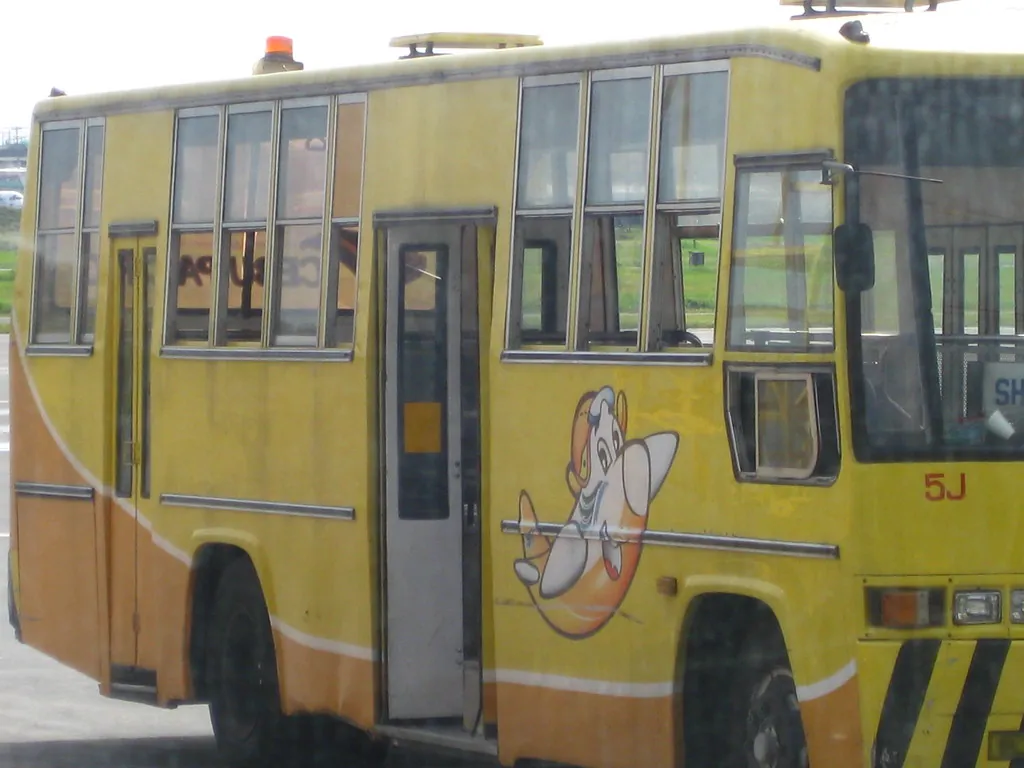
Ceres Liner, operated by Vallacar Transit, dominates the provincial highways with their unmistakable bright yellow fleet. Sunrays Bus Lines provides a solid alternative, though Ceres dispatches vehicles with far greater frequency. You face a choice between air-conditioned and non-air-conditioned (economy) buses. Air-conditioned units offer padded, reclining seats and freezing temperatures—pack a light jacket. Economy buses run with open windows, inviting in the humid ocean breeze, dust, and the occasional blast of heat from the asphalt.
To reach Ginatilan efficiently, you must board a bus bound for “Bato via Barili.” This specific western trajectory bypasses the heavy eastern traffic of the Oslob corridor. The Cebu Provincial Government has heavily invested in paving these coastal roads, making the four to five-hour journey surprisingly smooth. The bus threads through the municipalities of Carcar, Barili, Moalboal, and Badian before hitting the quieter southern towns.
When the bus pulls into Carcar City for a brief stopover, vendors swarm the aisles selling local delicacies like chicharon and ampao. It breaks up the monotony of the drive and provides cheap, high-energy snacks. If you prefer to skip the public commute entirely, a multi-stop tour covering Inambakan Falls, whalesharks, and sardine runs compresses several regional highlights into a single day with private van transfers. Independent travelers, however, appreciate the flexibility of the Barili route to dictate their own pace.
The Last Mile: Navigating Habal-Habal & Tricycles
The large buses drop passengers directly on the national highway. For Inambakan Falls, tell the conductor you wish to alight at the Ginatilan Poblacion, specifically near Julie’s Bakeshop or the Municipal Hall. Here, the concrete coastal highway ends and the steep, winding ascent into the forested highlands begins. You will immediately encounter the local motorcycle taxis, known widely as habal-habal.
These modified motorcycles serve as the backbone of upland transit. Negotiating rates requires a blend of friendliness and firmness. The Land Transportation Franchising and Regulatory Board regulates standard transit, but habal-habal fares operate on local consensus. The baseline fare to the jump-off point hovers around ₱50 to ₱100 per person. Solo travelers might be asked to cover the cost of the empty pillion seat. Always establish a round-trip agreement. Drivers will happily wait at the parking area while you spend hours exploring teh multi-level cascades, ensuring you have a guaranteed ride back down the mountain.
For shorter trips along the flat, coastal roads between neighboring barangays, tricycles and pedicabs (trisikads) provide cheap, breezy transport. They rarely charge more than ₱15 to ₱30 for brief hops. Reserve the habal-habal specifically for the steep, vertical climbs where tricycles simply lack the horsepower to propel you upward.
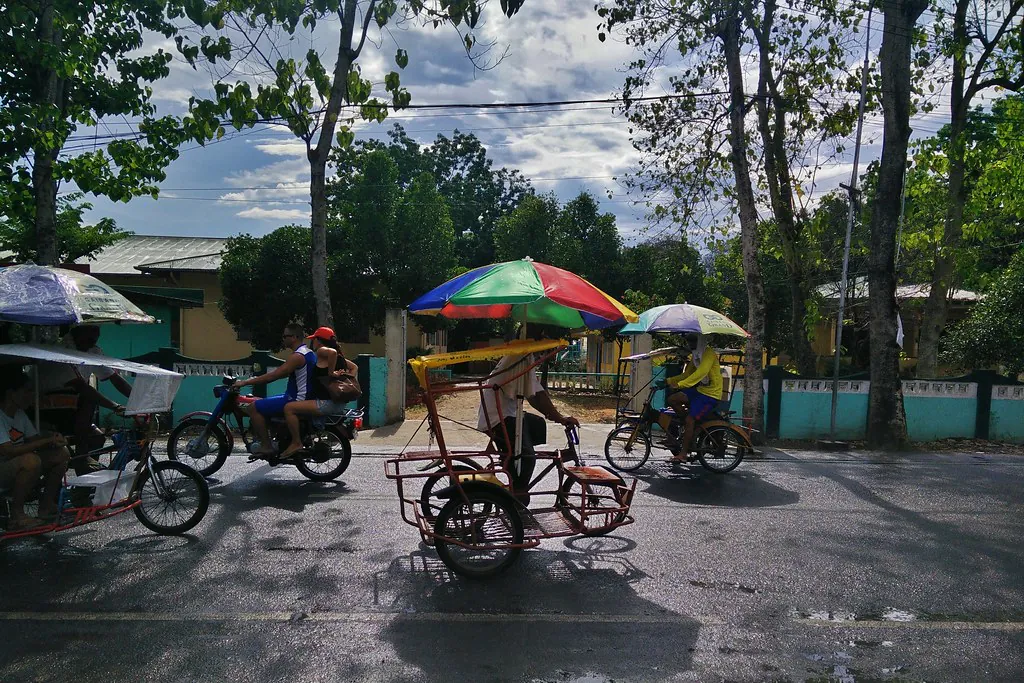
“Never pay a habal-habal driver their full round-trip fare upfront. Pay half when they drop you off at the falls, and the remaining half when they return you safely to the highway.”
Traveler Advice: Boarding Protocols & Fares
While some tickets can now be purchased at terminal counters or online, buying provincial bus tickets in Cebu often happens directly on board. You simply stow your heavy luggage in the underbelly compartments, grab an available seat, and wait. Once the bus clears the city limits, a conductor will walk down the aisle. They traditionally carry a unique metal tool that punches holes into a small paper ticket (though electronic printed tickets are increasingly common), indicating your boarding location, destination, and exact fare. Keep small bills and coins accessible; handing a conductor a ₱1000 bill at 4:00 AM will usually result in an annoyed request to produce exact change.
- Luggage Security: Keep valuables, electronics, and passports in a small daypack on your lap. Stow larger, durable bags underneath.
- Habal-Habal Safety: Hold onto the metal bar behind the seat or grip the driver’s shoulders lightly during steep climbs. Helmets are rarely provided in remote upland areas, so exercise caution. Review our visitor rules for more safety expectations.
- Hailing the Return Bus: Returning to the city requires standing on the northbound side of the Ginatilan highway and aggressively waving down passing Ceres buses. They will stop if they have empty seats.
- Late Night Travel: Northbound bus frequency drops sharply after 7:00 PM. If you miss the evening wave, finding local accommodations near the terminal or town center becomes your only realistic option until dawn.
Embracing the local commute transforms a simple transit day into a memorable chapter of your Philippine journey. By understanding the routes, respecting the drivers, and carrying the right change, you remove the stress from the equation. Check our Plan Your Visit guide to align your transit schedule with the best seasonal weather, ensuring your time spent on the road directly translates to pristine, sunlit hours at the waterfalls.