The Ecological Significance of Inambakan Falls
The heavy humidity of South Cebu traps the scent of wet soil and decaying palm fronds long before you hear the rush of the river. The physical reality of arriving in Barangay Calabawan immediately communicates the raw power of this untouched ecosystem. The ecological significance of this area extends far beyond the visual appeal of its opaque, milky-blue plunge pools. This sprawling watershed acts as a critical artery for the entire region, regulating water flow, preventing catastrophic soil erosion, and supporting a dense micro-climate of endemic flora. Visitors planning a trip through the primary guide to Inambakan Falls must recognize that they are stepping into a highly calibrated, fragile biological zone.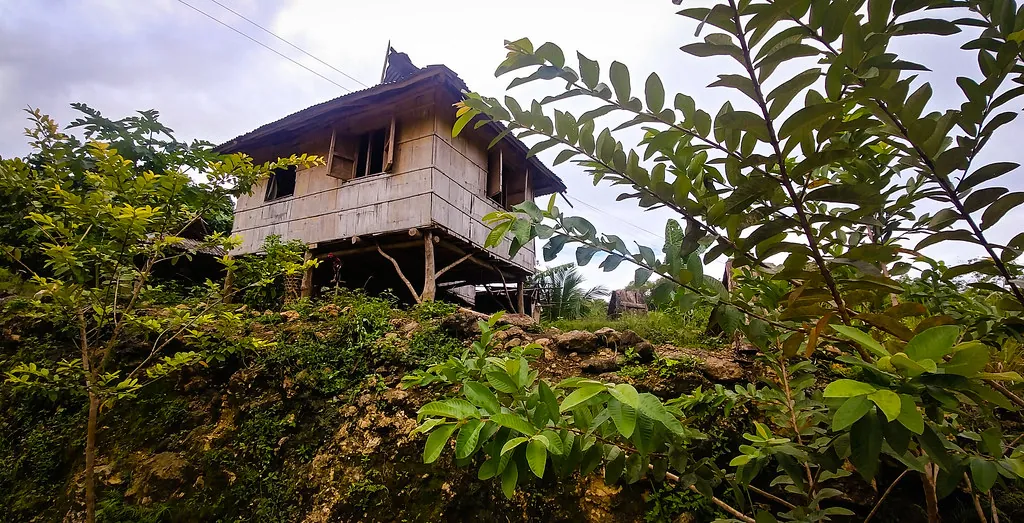
The Ginatilan Watershed
The geography of Barangay Calabawan is defined by steep, aggressive elevation changes. The watershed captures rainfall across the central highlands of Cebu, funneling it through a vast subterranean network of caves, sinkholes, and underground rivers. This inland forest requires constant monitoring by local officials to prevent illegal logging and unregulated land development. The physical isolation of the upper river canyons provides a natural defense mechanism against mass commercialization.When travelers use the How to get to Inambakan Falls guide to navigate the winding rural roads, they are tracing the lower boundaries of this massive catchment area. The health of the coastal marine sanctuaries in Ginatilan is directly tied to the purity of the freshwater discharging from this exact river system.Blue Water Science
The striking water coloration is pure geology in motion. Rainwater, which is naturally slightly acidic, percolates through the porous karst bedrock, dissolving calcium carbonate along the way. When this mineral-heavy water emerges from the underground springs feeding the river, the sudden pressure change causes the calcium to precipitate into microscopic crystals suspended in the flow.These suspended crystals absorb the red spectrum of sunlight and scatter the blue wavelengths. The result is pure optical physics. However, the pristine nature of these pools is incredibly fragile. Introducing foreign substances—like heavy chemical sunscreens or synthetic insect repellents—can pollute the water. The oils leave an unnatural film on the surface and the chemicals pose a threat to the delicate aquatic ecosystem, which is why visitors are urged to swim without them.Ginatilan Watershed Map
Local Flora, Fauna, and the Impact of Tourism
The sheer verticality of the limestone cliffs surrounding the main 100-foot drop creates a permanently shaded, high-moisture microclimate. Thick layers of endemic moss and resilient ferns cling directly to the wet rock faces, thriving on the constant ambient mist generated by the plunging water. This exact environment supports a highly specialized biological community. Native avian species nest in the dense palm canopies high above the river, while freshwater crustaceans and small amphibians rely entirely on the undisturbed rock pools located along the edges of the main current.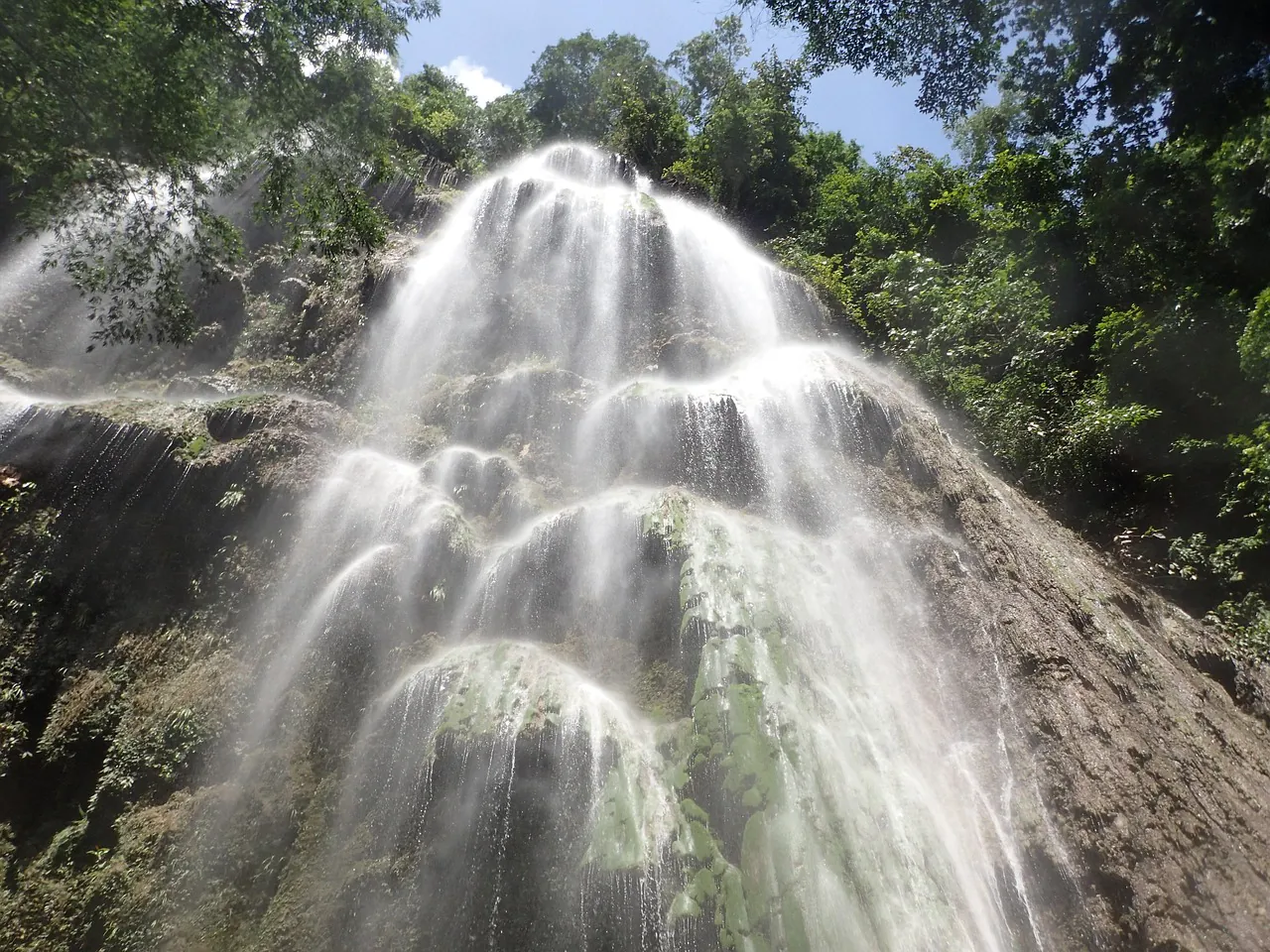
The forest does not recover on our schedule. A single shortcut carved through the jungle takes years of undisturbed growth to heal.
Leave No Trace Principles Summary
The global framework provided by the Leave No Trace Center for Outdoor Ethics has been adapted by the Ginatilan local government to fit the specific demands of a tropical river canyon. Strict adherence to these rules is non-negotiable for anyone entering the watershed.| Principle | Application at Inambakan | Ecological Benefit |
|---|---|---|
| Plan Ahead and Prepare | Research the terrain via the Plan Your Visit guide. Bring reef-safe protection and proper water shoes. | Reduces emergency rescues which cause severe trail damage during extractions. |
| Travel on Durable Surfaces | Stay exclusively on poured concrete steps and packed dirt paths established by local guides. | Prevents catastrophic soil erosion and protects shallow root systems of native ferns. |
| Dispose of Waste Properly | Pack out all trash, including organic matter like banana peels. There are no bins past the first level. | Keeps the river free of synthetic plastics and prevents wild animals from relying on human food. |
| Leave What You Find | Do not stack rocks in the riverbed. Do not snap palm fronds or collect limestone fragments. | Maintains the natural flow of the river and preserves critical micro-habitats for crustaceans. |
| Respect Wildlife | Observe native birds and amphibians from a distance. Do not feed fish in the lower pools. | Ensures natural foraging behaviors continue without human-induced dietary disruptions. |
Water Quality, Waste Management, and Trail Preservation
The pristine nature of the multi-level cascade relies heavily on strict enforcement of water quality protocols. Chemical sunscreens containing oxybenzone or octinoxate are entirely incompatible with the karst filtration system. These synthetic compounds do not break down in the cold freshwater; they pool on the surface, altering the pH of the river and coating the gills of local fish. Visitors must scrub off any heavy lotions before entering the water. The use of soaps, shampoos, or any cleansing agents in the natural pools is a direct violation of the Visitor Rules & Guidelines.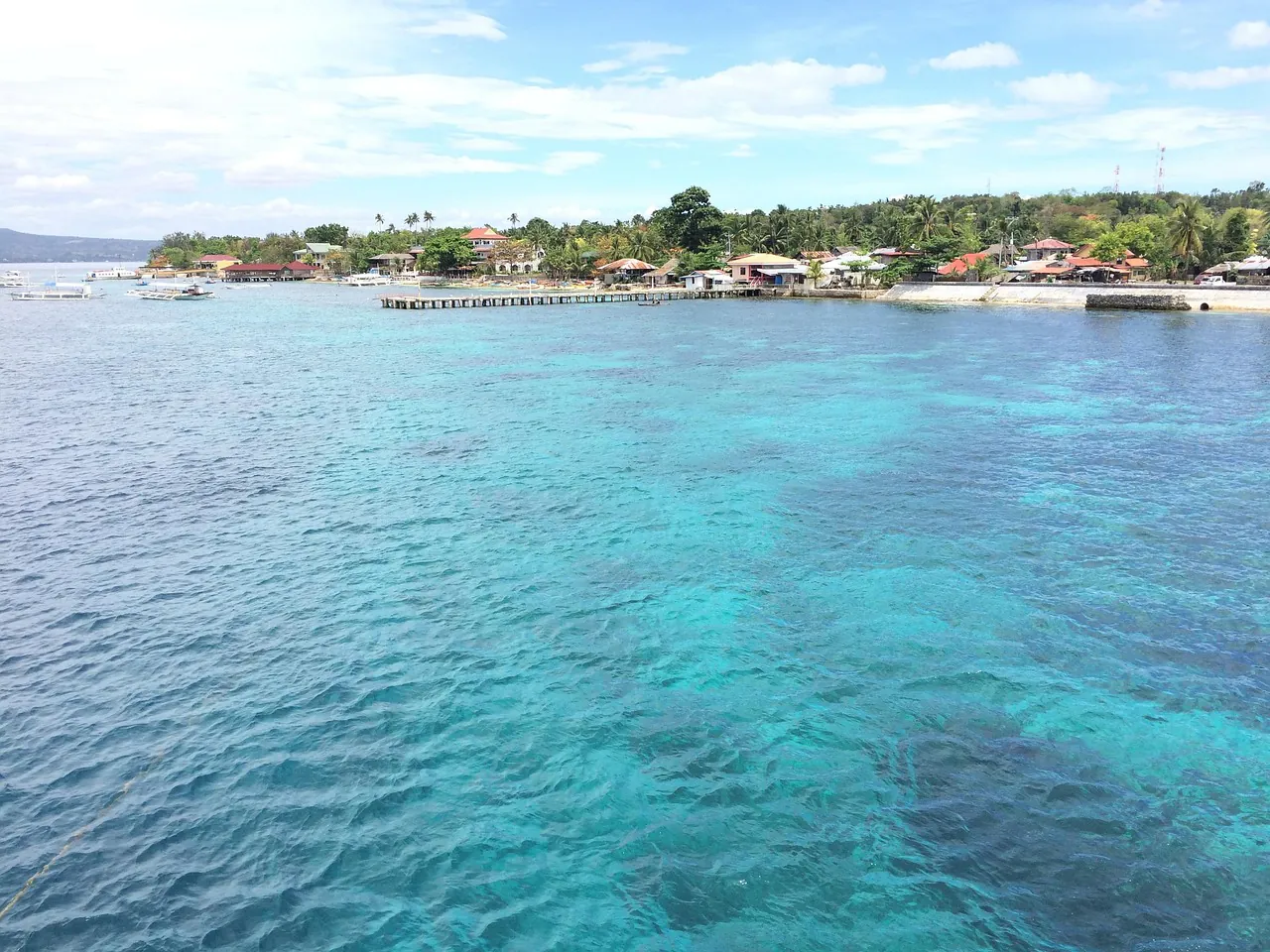
Ecotourism Economics: Funding the Forest
Conservation requires capital. The financial structure of tourism here is designed to directly benefit the people who live within the watershed. The standard ₱50 entrance fee goes straight to the municipal government. This money buys the raw cement for trail repairs, funds the clearing of massive fallen debris after seasonal typhoons, and pays for the maintenance of the life vests available for swimming.More importantly, the guide system creates a powerful economic loop. Hiring a local resident to navigate the upper levels is not just a safety precaution; it is a direct investment in the local economy. The tips provided to these guides—detailed extensively on the Tickets & Tours page—bypass bureaucratic delays and go straight into the pockets of the families in Barangay Calabawan.These local guides serve as the primary wardens of the river. They are the first to spot illegal timber harvesting tracks. They monitor the subtle shifts in water color that indicate a flash flood is building miles upstream. They physically enforce the environmental rules, correcting visitor behavior in real-time. By respecting their authority and adhering to the boundaries they set, travelers actively participate in the long-term survival of the Ginatilan watershed. The sheer beauty of the region—often explored alongside Nearby Attractions like the Aguinid cascades—will only endure if the collective impact of human foot traffic is managed with intense, deliberate care.When the forest provides a reliable, sustainable income through responsible guiding, the local community becomes its fiercest protector against illegal logging and destructive land use.