Author: editor

  • Navigating Public Transport in Rural Cebu

    Overview: The Adventure of Rural Cebu Transit

    Public transit in the Philippines demands patience and rewards adaptability. Instead of isolating yourself in a private van, taking the provincial bus forces an immediate connection with the landscape and the people. You watch the coastal topography shift from urban sprawl to limestone cliffs while sharing tight spaces with daily commuters, market vendors, and students. Mastering the rural transit system is an experience many international travelers miss out on.

    Understanding the local commuting culture reduces travel anxiety and opens up the southern municipalities. Tracking the South Cebu Waterfall Loop requires hopping between different transport modes—from massive commercial buses down to single-cylinder motorcycles. You trade the predictable comfort of a pre-booked car for a deep, authentic immersion into the island’s daily rhythm. The network operates with its own unwritten logic, dictated by weather patterns, passenger volume, and the rugged terrain of the interior mountains.

    Gateway to the South: Cebu South Bus Terminal

    Operating out of N. Bacalso Avenue, the Cebu South Bus Terminal (CSBT) functions as the primary artery for all southbound land travel. The facility runs 24/7, though the atmosphere changes drastically depending on the hour. Peak departures begin well before dawn—often between 1:00 AM and 3:00 AM—as locals and tourists alike attempt to beat the notorious provincial highway traffic. Navigating the terminal requires focus. The air smells of diesel and strong coffee, with dispatchers shouting destinations over a crackling PA system.

    Reaching the terminal from the Mactan-Cebu International Airport takes roughly 45 to 60 minutes depending on the bridges’ congestion. Taxis and ride-hailing apps like Grab provide the most direct transit, dropping you right at the terminal gates. Budget-conscious riders can catch the bright blue MyBus from the airport to SM City Cebu, then transfer to a local jeepney flashing a “South Bus Terminal” signboard. We highly recommend reviewing our comprehensive logistics guide if you are hauling heavy diving gear or oversized backpacks.

    During local holidays like Sinulog or Holy Week, the SunStar Cebu frequently reports massive crowds spilling out onto the surrounding streets. Arriving at least an hour before your intended departure ensures you secure a comfortable seat, especially if you require air-conditioning for the long haul.
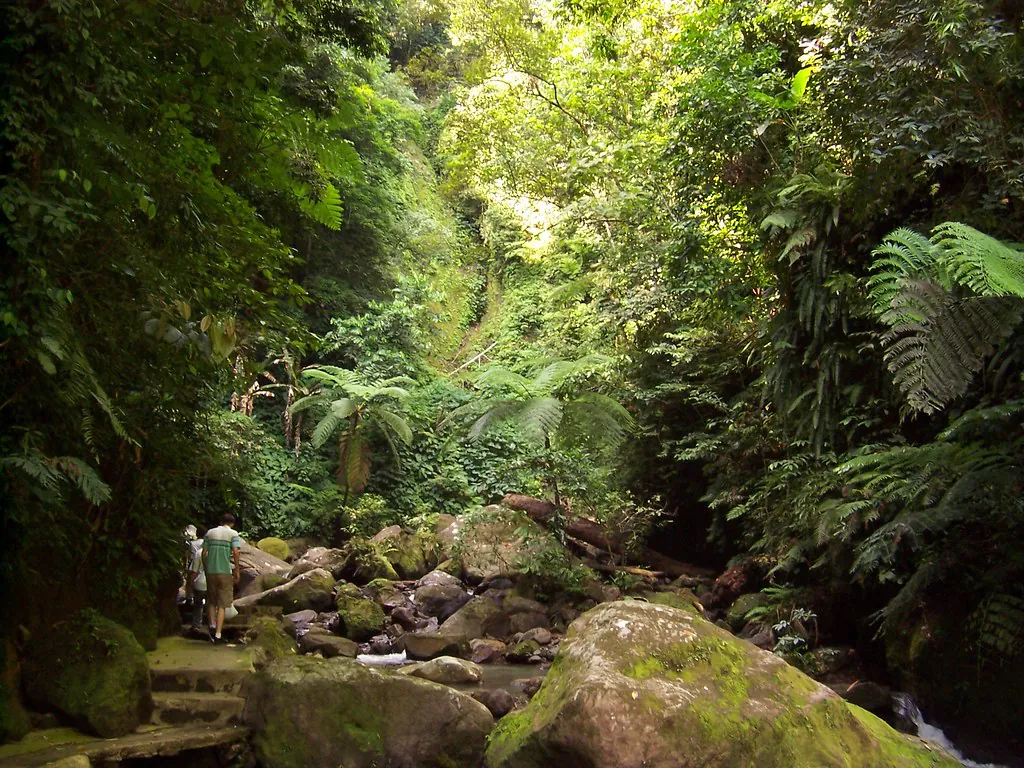
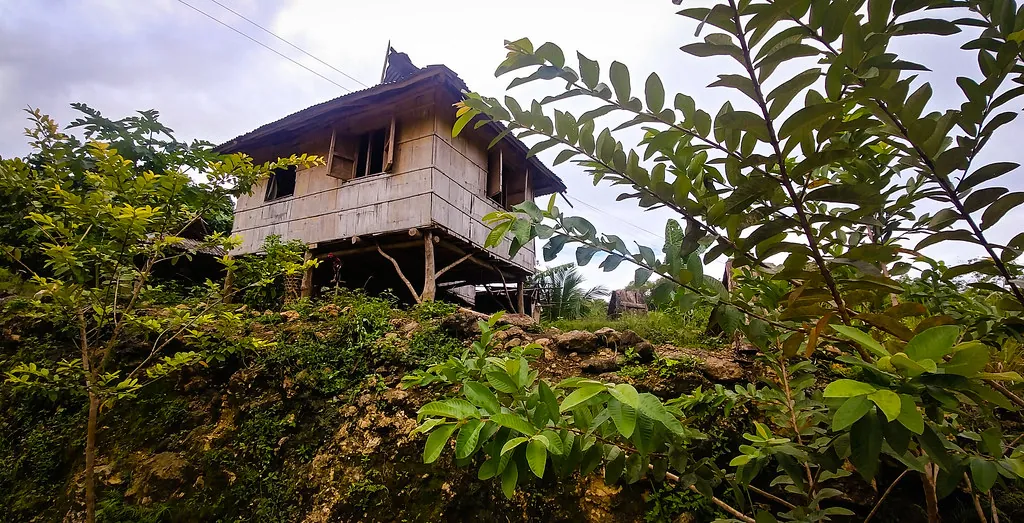
    Philippines Jungle
    “Philippines Jungle” by Seth1492 is licensed under BY. Source: Openverse
    Transport ModeRouteEst. Fare (PHP)
    White Taxi / GrabAirport to CSBT₱350 – ₱500
    MyBus + JeepneyAirport to SM to CSBT₱50 + ₱15
    City JeepneyCebu Center to CSBT₱13 – ₱20
    Ceres Bus (Aircon)CSBT to Ginatilan₱200 – ₱250

    Falling for Waterfalls: Badian Canyoneering
    “Falling for Waterfalls: Badian Canyoneering” by LimpingFrog Productions is licensed under BY. Source: Openverse

    “The Bato via Barili route traces the Tañon Strait. Grab a window seat on the right side of the bus to watch the sun illuminate the coast as you drive past Moalboal.”

    The Journey: Bato via Barili Route

    Ceres Liner, operated by Vallacar Transit, dominates the provincial highways with their unmistakable bright yellow fleet. Sunrays Bus Lines provides a solid alternative, though Ceres dispatches vehicles with far greater frequency. You face a choice between air-conditioned and non-air-conditioned (economy) buses. Air-conditioned units offer padded, reclining seats and freezing temperatures—pack a light jacket. Economy buses run with open windows, inviting in the humid ocean breeze, dust, and the occasional blast of heat from the asphalt.

    To reach Ginatilan efficiently, you must board a bus bound for “Bato via Barili.” This specific western trajectory bypasses the heavy eastern traffic of the Oslob corridor. The Cebu Provincial Government has heavily invested in paving these coastal roads, making the four to five-hour journey surprisingly smooth. The bus threads through the municipalities of Carcar, Barili, Moalboal, and Badian before hitting the quieter southern towns.

    When the bus pulls into Carcar City for a brief stopover, vendors swarm the aisles selling local delicacies like chicharon and ampao. It breaks up the monotony of the drive and provides cheap, high-energy snacks. If you prefer to skip the public commute entirely, a multi-stop tour covering Inambakan Falls, whalesharks, and sardine runs compresses several regional highlights into a single day with private van transfers. Independent travelers, however, appreciate the flexibility of the Barili route to dictate their own pace.


    The Last Mile: Navigating Habal-Habal & Tricycles

    The large buses drop passengers directly on the national highway. For Inambakan Falls, tell the conductor you wish to alight at the Ginatilan Poblacion, specifically near Julie’s Bakeshop or the Municipal Hall. Here, the concrete coastal highway ends and the steep, winding ascent into the forested highlands begins. You will immediately encounter the local motorcycle taxis, known widely as habal-habal.

    These modified motorcycles serve as the backbone of upland transit. Negotiating rates requires a blend of friendliness and firmness. The Land Transportation Franchising and Regulatory Board regulates standard transit, but habal-habal fares operate on local consensus. The baseline fare to the jump-off point hovers around ₱50 to ₱100 per person. Solo travelers might be asked to cover the cost of the empty pillion seat. Always establish a round-trip agreement. Drivers will happily wait at the parking area while you spend hours exploring teh multi-level cascades, ensuring you have a guaranteed ride back down the mountain.

    For shorter trips along the flat, coastal roads between neighboring barangays, tricycles and pedicabs (trisikads) provide cheap, breezy transport. They rarely charge more than ₱15 to ₱30 for brief hops. Reserve the habal-habal specifically for the steep, vertical climbs where tricycles simply lack the horsepower to propel you upward.
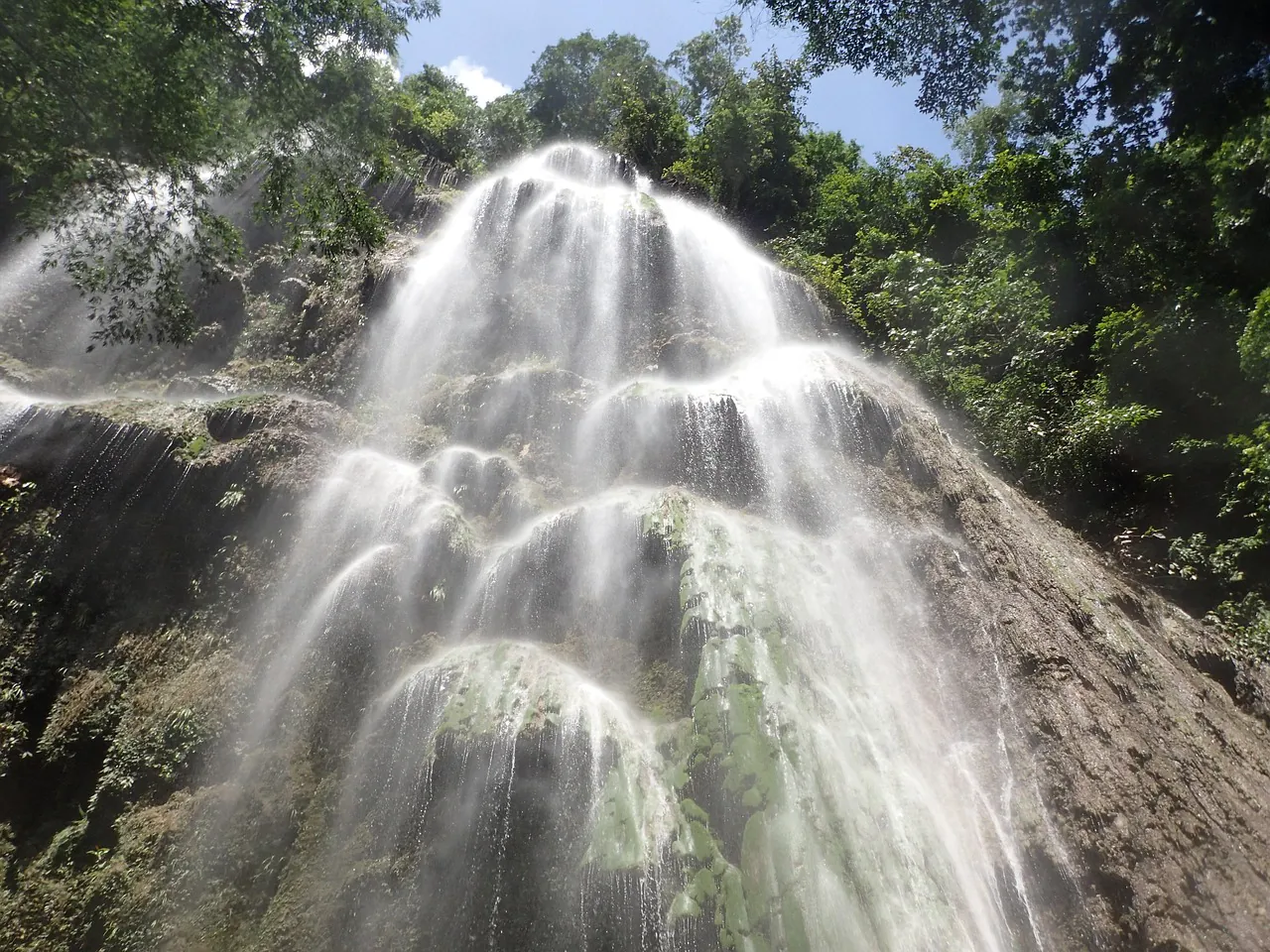
    waterfall, oslob, philippines, falls, cebu, oslob, cebu, cebu, cebu, cebu, cebu
    Photo by lianasmithbautista on Pixabay

    “Never pay a habal-habal driver their full round-trip fare upfront. Pay half when they drop you off at the falls, and the remaining half when they return you safely to the highway.”


    Traveler Advice: Boarding Protocols & Fares

    While some tickets can now be purchased at terminal counters or online, buying provincial bus tickets in Cebu often happens directly on board. You simply stow your heavy luggage in the underbelly compartments, grab an available seat, and wait. Once the bus clears the city limits, a conductor will walk down the aisle. They traditionally carry a unique metal tool that punches holes into a small paper ticket (though electronic printed tickets are increasingly common), indicating your boarding location, destination, and exact fare. Keep small bills and coins accessible; handing a conductor a ₱1000 bill at 4:00 AM will usually result in an annoyed request to produce exact change.

    • Luggage Security: Keep valuables, electronics, and passports in a small daypack on your lap. Stow larger, durable bags underneath.
    • Habal-Habal Safety: Hold onto the metal bar behind the seat or grip the driver’s shoulders lightly during steep climbs. Helmets are rarely provided in remote upland areas, so exercise caution. Review our visitor rules for more safety expectations.
    • Hailing the Return Bus: Returning to the city requires standing on the northbound side of the Ginatilan highway and aggressively waving down passing Ceres buses. They will stop if they have empty seats.
    • Late Night Travel: Northbound bus frequency drops sharply after 7:00 PM. If you miss the evening wave, finding local accommodations near the terminal or town center becomes your only realistic option until dawn.

    Embracing the local commute transforms a simple transit day into a memorable chapter of your Philippine journey. By understanding the routes, respecting the drivers, and carrying the right change, you remove the stress from the equation. Check our Plan Your Visit guide to align your transit schedule with the best seasonal weather, ensuring your time spent on the road directly translates to pristine, sunlit hours at the waterfalls.
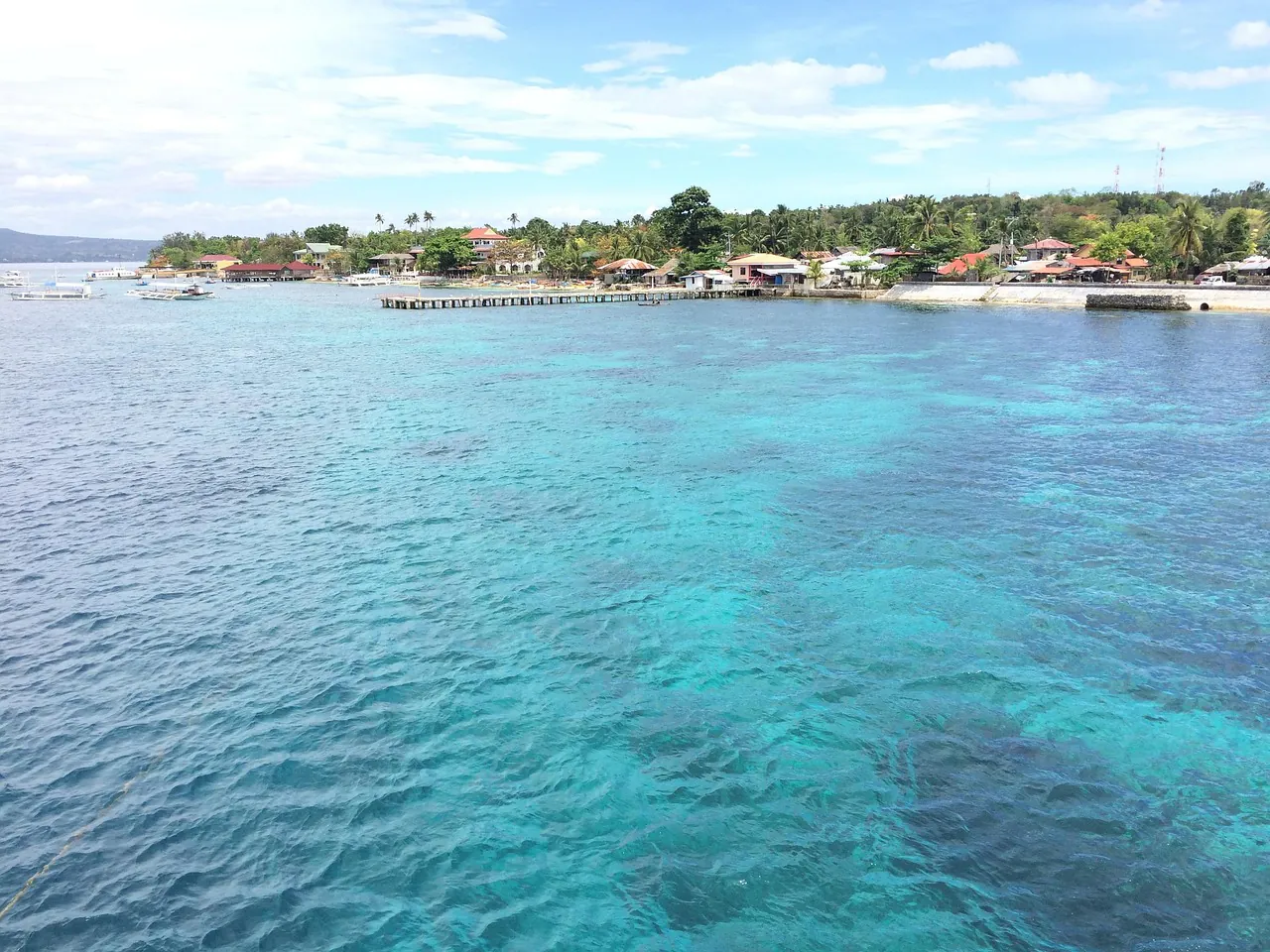
  • Top 5 Traditional Foods to Try in South Cebu

    philippine, cebu, ormoc pier, cebu, cebu, cebu, cebu, cebu
    Photo by iricoyh on Pixabay

    The Culinary Heritage of the South Cebu Circuit

    Driving down the coastal highway of Cebu’s southern corridor offers more than just sweeping ocean views and towering limestone cliffs. It provides an immediate introduction to the province’s deeply rooted food culture. You roll down the windows, and the heavy scent of roasting pork fat collides with the sharp, fermented tang of coconut wine. Exploring these regional flavors serves as the perfect complement to your physical adventures. Following a long morning swimming through the turquoise basins of Inambakan Falls, your body craves dense calories. This is where the local culinary landscape delivers its most satisfying rewards.

    The Filipino tradition of pasalubong dictates that travelers return home with regional gifts, usually food, for their family and friends. This practice goes far beyond simple souvenir shopping. Purchasing these items directly supports the rural community and sustains micro-economies across the island’s southern municipalities. According to cultural notes from the Department of Tourism, these hyper-local food networks keep ancient preservation and baking techniques alive. When you plan your visit to the deep south, allocating time and cash for these roadside stops transforms a standard road trip into an immersive cultural route.


    Iconic Sweet Treats: Torta & Palagsing

    The transition from the city to the southern provincial towns is marked by a distinct shift in baking styles. Commercial yeast gives way to natural leavening agents, and vegetable oil is swapped out for traditional fats. Understanding this shift requires sampling the signature pastries of Argao and Ginatilan.

    Torta de Argao
    Argao produces a large, spongy, cupcake-like pastry with heavy Spanish colonial influences. Unlike standard cakes that rely on commercial yeast, a traditional Torta de Argao uses tuba (fermented coconut wine) as a leavening agent. Bakers also use rich pork lard instead of butter. This specific combination yields a heavy, dense crumb with a slightly tangy aftertaste. Local bakeries near the San Miguel Arcangel Parish pull these from their stone ovens daily. The Cebu Provincial Government even recognizes the town’s dedication to this craft through the annual La Torta Festival.

    Palagsing of Ginatilan
    Further down the coast, Ginatilan offers a highly localized indigenous treat known as Palagsing. The base ingredient is starch extracted directly from the trunk of the buli (buri) palm tree. Locals mix this rare starch with freshly grated young coconut and dark brown sugar before steaming the mixture inside woven leaves. You can easily find these sweet, energy-dense snacks stacked high at the Ginatilan Public Market near St. Gregory the Great Parish. Eating one provides an immediate sugar rush, making it the ideal snack to consume before you tackle the multi-level cascade trek in the jungle.

    The use of tuba in Argao’s baking process is proof of Cebuano resourcefulness. It replaces expensive imported yeast with a wildly abundant local ingredient, altering the flavor profile entirely.

    Savory Stops & Heritage Cookies

    Sweet pastries only represent half of the regional diet. The coastal geography demands effective preservation methods for the daily catch, leading to some of the most intensely flavored savory items on the island.

    In the southern coastal markets, you will encounter Danggit. This is a traditional method of salting and sun-drying rabbitfish. The resulting product is deeply savory, salty, and incredibly crunchy. Locals typically fry Danggit and serve it alongside garlic fried rice and a fried egg for a heavy, protein-packed breakfast. Procuring a pack of Danggit directly from the vendors in the morning markets guarantees the best sea-salty crunch.

    To balance the saltiness, travelers pushing toward the southernmost tip of Cebu must stop for Tostado de Santander. These crunchy, buttery, flower-shaped cookies are heavily baked until they reach a brittle, golden-brown finish. They have a long shelf life, making them the ultimate travel companion for long bus rides back to the city. If you are navigating public transport, munching on a bag of Tostado helps pass the hours on the winding Ceres liner routes.

    Always pair your sweet pastries with Sikwate, the native hot chocolate made from pure roasted cacao tablea. The bitter dark chocolate perfectly cuts through the heavy pork lard of the torta.

    No discussion of Cebuano food logistics is complete without mentioning Puso, or hanging rice. Rice is boiled inside tightly woven coconut palm leaves, creating a sterile, portable carbohydrate packet. You slice the leaves open and eat the compressed rice with your bare hands. Taking Puso on a waterfall trek eliminates the need for single-use plastic utensils and styrofoam containers. This practice aligns perfectly with the Conservation & Environment guidelines established to protect the local watersheds from plastic pollution.

    The Carcar City Gateway & Honorable Mentions

    Almost all road traffic heading south from Cebu City funnels through the Carcar Rotonda. This intersection operates as the undisputed capital of crispy pork rinds, known locally as Chicharon. Vendors aggressively approach stopped vehicles, offering bags of deep-fried pork skin with thick layers of attached meat. The resulting crunch is deafening. Alongside the savory pork, vendors sell Ampao—blocks of sweet puffed rice bound together with caramelized sugar and studded with roasted peanuts. Regional economic reports from SunStar Cebu frequently highlight how this single intersection drives immense revenue for the local pork industry.

    Many travelers combining their waterfall treks with a Cebu Tumalog, Inambakan Falls, and Whaleshark tour will pass right through Carcar early in the morning. It serves as the primary gateway to the deep south. If you miss the vendors here, you can pull over in neighboring Dalaguete for Podrida, a small, volcano-shaped jelly cookie baked in local wood-fired ovens. Furthermore, those returning from an Oslob Whale Shark and Moalboal Sardine Run often hunt down Pugon cookies in Samboan. Because these bakeries operate on unpredictable schedules, finding the freshest batch is a challenge you should prepare for.

    If you have additional days to explore, visiting these specific bakeries adds an excellent layer of depth to your trip. Check our guide on Nearby Attractions to map out which heritage towns align with your chosen waterfall destinations.

    South Cebu Delicacies: Where to Buy & Prices

    Knowing exactly where to stop prevents you from falling into commercial tourist traps that sell stale goods. The public markets always offer the highest quality at the lowest prices.

    Regional DelicacyMunicipalityEstimated PriceBest Place to Buy
    Torta de ArgaoArgao₱35 – ₱50 per pieceJessie’s Torta, Brgy. Canbanua
    PalagsingGinatilan₱5 – ₱10 per pieceGinatilan Public Market
    Bulad (Dried Fish)Southern CoastsVaries by weightEarly morning fish markets
    TostadoSantander₱50 – ₱80 per tubRoadside Bakeries, Santander
    Chicharon & AmpaoCarcar City₱30 – ₱300 per packCarcar City Rotonda

    Bringing cash in small denominations is mandatory. Market vendors rarely carry change for large bills early in the morning, and rural bakeries do not accept digital payments or credit cards. Secure your food, load it into your backpack, and prepare to hike. Sustaining the local food culture requires conscious consumer choices, ensuring these historic recipes survive for decades to come.

  • South Cebu Waterfall Loop: A 3-Day Itinerary

    Aguinid Samboan waterfalls
    “Aguinid Samboan waterfalls” by bortescristian is licensed under BY. Source: Openverse

    The Ultimate South Cebu Waterfall Loop

    Welcome to the definitive three-day overland route for exploring the rugged southern tip of Cebu. This region punches hard for adventure seekers, featuring raw coastal towns, dense marine sanctuaries, and an absolute labyrinth of spectacular river systems. While you could easily spend weeks chasing cascades through the mountainous interior, the absolute peak of this trip is Inambakan Falls. It hits different—a towering 100-foot drop plunging into a massive, opaque blue basin surrounded by thick jungle canopy. We mapped out a logical, step-by-step flow starting from the concrete density of Cebu City, drawing a line straight down the western seaboard to maximize your time in the water.

    The island’s geography shifts dramatically as you move south. The urban sprawl fades into sheer limestone cliffs and winding coastal roads. This itinerary requires stamina. You will hike up slippery riverbeds, jump off massive canyon walls, and ride open-air motorcycles up steep mountain paths. Prepare for long days under the intense Philippine sun and cool, shocking plunges into spring-fed pools.

    Trip Preparation & Logistics: Getting Started in Cebu City

    Before strapping on your backpack, pin down the logistics. The dry season runs from December to May. Trails stay firm during these months. The water retains that surreal turquoise hue caused by suspended limestone particles—a stark contrast to the muddy torrents you might encounter during the August monsoon rains. Pack water shoes with aggressive rubber grip, heavy-duty dry bags for your electronics, and an abundance of reef-safe sunscreen. You kick things off at the Cebu South Bus Terminal. The terminal operates in a state of controlled chaos, smelling faintly of diesel fuel and freshly baked bread from the roving vendors.

    For an exhaustive breakdown of regional transit routes and seasonal advisories, pull up the official Department of Tourism Cebu portal. Get familiar with the local transit scene by reading our primer on Navigating Public Transport in Rural Cebu. Knowing the difference between an air-conditioned Ceres bus and a local open-air jeepney saves you hours of sweating on the shoulder of the highway.

    RouteTransport TypeEst. Cost (PHP)Duration
    Cebu City to MoalboalAir-con Bus (Ceres Liner)210 – 2203 – 4 hours
    Moalboal to KawasanTricycle / Bus50 – 15030 – 45 mins
    Kawasan CanyoneeringGuided Tour Package2,000 – 2,1004 – 5 hours

    Interactive Route: Cebu City to South Cebu

    [MAP PLACEHOLDER]

    Morning: Cebu City to Moalboal

    Catch the yellow Ceres bus bound for Bato via Barili just as the sun rises. The heavy vehicle grinds through the winding mountain roads, shifting gears loudly before dropping you on the western coast. Moalboal acts as your launchpad. Renting a scooter hands you total autonomy over your timeline—allowing you to detour down unmarked dirt roads or pull over when the sunset over the Tañon Strait catches your eye. Having your own wheels makes finding the right accommodation much simpler, especially if you prefer a quiet guesthouse slightly off the main strip.

    Afternoon: Canyoneering at Kawasan

    Jump straight into the deep end with a canyoneering run in Badian. You hike, scramble, and throw yourself off massive limestone cliffs into the opaque blue river system. The cold water shocks your system awake. Helmets and life vests remain strictly mandatory under Cebu Provincial Government regulations. To bypass the chaotic haggling at the trailhead, you can easily lock in a guided Kawasan canyoneering adventure beforehand. The three-hour trek spits you out at the towering main cascade.

    “There is no better way to cap off a day of cliff jumping than watching the horizon catch fire at Panagsama Beach, recently recognized as one of the top beaches in Southeast Asia for its extraordinary marine life.”

    Source: Condé Nast Traveler via SunStar Cebu

    Day 2 Morning: The Scenic Drive to Ginatilan & Arriving at Inambakan Falls

    The coastal highway rips south from Moalboal, tracing the edge of the Tañon Strait. The morning air cuts cleanly through the tropical humidity as you pass sleepy fishing villages and clusters of bamboo huts. Across the water, the dark, jagged outline of Negros Island looms on the horizon. Pull into the Ginatilan town center, a quiet municipality that feels entirely disconnected from the tourist heavyweights up north.

    Leave your scooter near the municipal hall or flag down a habal-habal driver to haul you up the mountain road to the jump-off point. The ascent takes about fifteen minutes. The road has been recently paved, though it still features some very steep inclines. The smell of burning coconut husks fills the air as you climb higher into the watershed. Read our full breakdown on How to get to Inambakan Falls to nail down the exact parking parameters and transit fees before you arrive.

    Day 2 Mid-Day: Conquering Inambakan’s Multi-Level Cascades

    A short hike down the moss-slicked concrete stairs reveals the 100-foot main drop. The water crashes over a sheer limestone cliff, hitting the basin with enough force to generate a permanent mist. The turquoise pool below looks almost artificial. Do not just snap a photo and walk away. The real expedition begins when you leave the crowd behind.

    Trek up the muddy, root-choked slopes to find the upper tiers. These shallow, glassy pools sit completely isolated from the noise below. Level 3 features a clear, deep pool with rock ledges perfect for cliff jumping. Level 5 rewards climbers with a deep, silent swimming hole surrounded by towering ferns. Study our Multi-Level Cascade Guide to understand the varying terrain and physical exertion required to reach the top.

    Day 2 Afternoon: The Samboan Waterfall Circuit

    Push further south to the neighboring town of Samboan. This municipality holds a dense concentration of distinct river canyons. Aguinid Falls requires a mandatory local guide. You physically pull yourself up the waterfall, scaling the limestone walls using ropes and footholds carved directly into the rock by the rushing current. The water here runs a milky white, heavy with calcium deposits.

    Dao Falls presents a totally different physical challenge—a thirty-minute wade through a narrow, towering gorge that looks straight out of the Jurassic period. The canyon walls close in on you, blocking out the sun, until the path opens up to a massive, curved rock face pouring crystal-clear water into a deep basin. Expand your regional map with our extensive guide to Exploring Cebu, Philippines: Nearby Attractions.

    Day 2 Evening: Coastal Drive to Oslob & Culinary Exploration

    The road eventually curves around the absolute southern tip of the island, bringing you into Oslob as the sun dips below the mountains. Drop your heavy bags at a coastal inn. You will feel the exhaustion deep in your legs from hours of vertical hiking. The food scene here leans heavily into fresh catch and rich, smoky flavors.

    Walk down to the public market. Grills line the street, smoking fresh tuna jaws and pork belly over open charcoal pits. Grab a cold San Miguel beer and a plate of kinilaw—raw fish cured in local coconut vinegar, ginger, and fiery bird’s eye chilies. Refuel properly. Check out our detailed recommendations for the Top 5 Traditional Foods to Try in South Cebu to track down the most authentic roadside stalls.

    Day 3 Morning: Oslob Whale Sharks & Tumalog Falls

    The Oslob whale shark encounter runs at dawn. Small outrigger boats row you just a few hundred meters offshore to swim alongside these massive, gentle filter feeders. The sheer scale of the animals passing within inches of your mask defies description. This is a highly regulated marine interaction, which is something you definitely want to wake up early for. Briefings cover strict rules regarding distance and the absolute ban on physical contact.

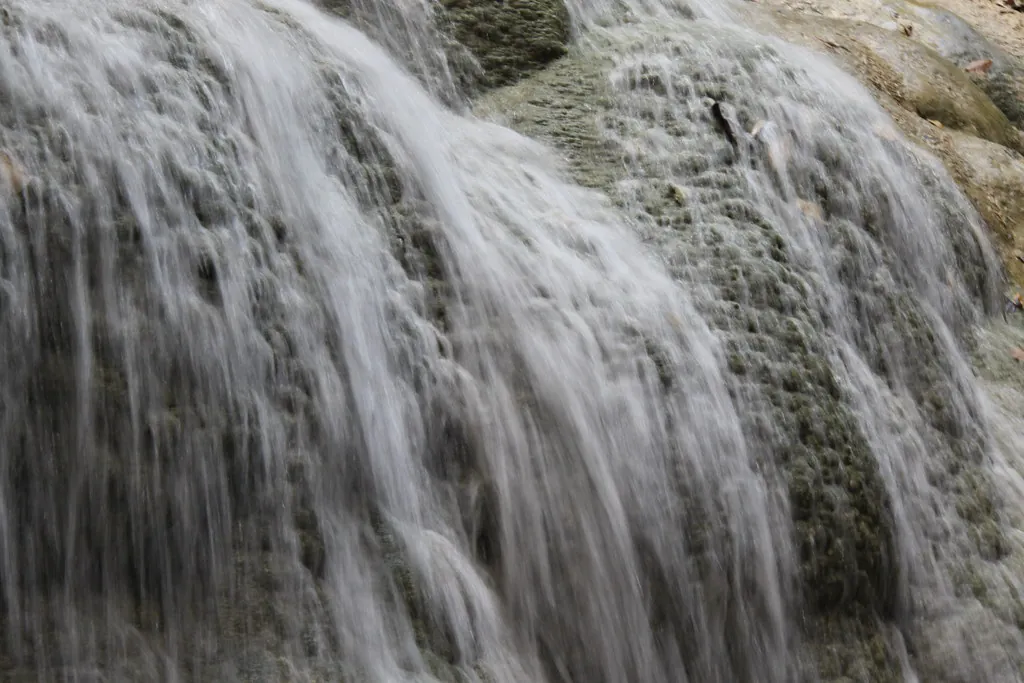
    Immediately after washing off the salt water, ride up the steep, winding mountain road to Tumalog Falls. The water here does not plunge; it cascades down a massive, moss-covered umbrella rock, creating a delicate rain-like curtain that catches the morning light. Shallow pools at the base harbor tiny fish that nibble at your feet. Many travelers opt to book a comprehensive morning tour package to handle the complicated boat queues and mountain transit.

    Day 3 Mid-Day: South Cebu Historic Heritage Tour

    Dry off and walk the historic center of Oslob. The Spanish-era Cuartel, built entirely from hand-cut coral blocks, stands unfinished by the waterfront. Its thick arches frame the blue ocean behind it. Next door, the Baluarte served as a military watchtower against pirate raids during the 19th century.

    The National Historical Commission of the Philippines recognizes these coastal structures as vital pieces of the island’s colonial past. Walking through the quiet, sun-baked plaza gives your legs a much-needed break from the relentless jungle trekking of the previous two days.

    Day 3 Afternoon: The Journey North & Pasalubong Shopping

    Loop around the southern tip to the eastern seaboard and point your compass north. The landscape flattens out, replacing sheer cliffs with sprawling coconut plantations and old colonial churches. Stop in the town of Argao. The bakeries here produce a traditional sweet cake called Torta de Argao, baked in clay ovens and heavily infused with tuba (fermented palm wine).

    Grab a few boxes for the long bus ride back to the city. As you pass through Carcar, the traffic inevitably thickens. Vendors will jump aboard the bus selling bags of crispy pork chicharon. The sensory overload of Cebu City slowly bleeds back into view, capping off seventy-two hours of relentless coastal exploration.

    Responsible Tourism & Waterfall Etiquette

    The southern ecosystems face immense pressure from constant foot traffic. The vibrant blue waters and delicate limestone formations rely on strict environmental discipline. Pack out every single piece of trash. Resist the urge to carve your name into the bamboo stalks lining the trail. The chemicals in standard bug sprays and sunscreens directly poison the freshwater fish populations.

    Hire local guides directly and tip them aggressively—they act as the frontline guardians of these watersheds, clearing debris after typhoons and maintaining the handrails. Read our full manifesto on Conservation & Environment to fully grasp your footprint.

    Budget Breakdown & Final Itinerary Tips

    Executing this trip flawlessly requires a solid grip on your cash flow. ATMs barely exist outside of Moalboal and Oslob town centers. Carry enough small bills (20, 50, and 100 PHP notes) to handle environmental fees and habal-habal rides without demanding exact change from a driver on the side of a mountain.

    • Transport: Budget roughly 800 PHP for round-trip Ceres bus fares, plus another 500 PHP daily if renting a scooter.
    • Entrance Fees: Standard waterfall access runs between 50 and 100 PHP per site. Dive into our Tickets & Tours page for exact local and foreign pricing structures.
    • Guides: Most waterfalls implement a “tip-based” guide system, though 150-200 PHP per group serves as a respectful baseline.
    • Food: Local carenderias (eateries) will cost you 100 PHP per meal, while sit-down restaurants in Moalboal average 300-500 PHP.